
Aspiring Studio Owners
For people planning a new detailing studio and wanting clearer setup and investment decisions.
Entrepreneurship & Studio Setup Program
A dedicated business-training program focused on studio setup, investment planning, pricing, operations, marketing, customer growth and long-term business strategy.

A detailing business also requires investment discipline, the right equipment mix, clear services, sensible pricing, customer acquisition, staff planning and consistent operations. This dedicated program separates business education from technical training so each area can receive the attention it deserves.
The program is relevant whether you are still planning your first studio or already operating and want to improve structure, pricing, marketing or growth.
For people planning a new detailing studio and wanting clearer setup and investment decisions.
For technicians who want to move from service execution into ownership or management.
For operators who want stronger pricing, systems, lead generation and business discipline.
For entrepreneurs exploring car-care services as a structured business opportunity.
The program connects the major decisions that determine whether a studio is practical to launch, efficient to operate and capable of growing.
Plan the workspace around service flow, practical movement, equipment and customer experience.
Separate essential launch costs from expenses that can be delayed or scaled later.
Match equipment decisions to your service menu, workload and stage of business.
Create a focused mix of detailing, correction, protection and related services.
Understand pricing logic, cost awareness and why revenue alone does not equal profit.
Build the business in stages instead of adding staff, space and services without a clear plan.
Bigger is not automatically better. The goal is to think about space, equipment, workflow and investment according to the services you intend to deliver and the scale you can realistically manage.
Think about vehicle movement, work zones, storage, customer areas and practical workflow.
Identify essential launch requirements before spending on non-critical additions.
Choose equipment according to service demand, team size and operational stage.
Plan the studio so future services and capacity can be added more intelligently.
Equipment decisions affect capital cost, productivity, service quality and maintenance. The program encourages a practical approach to selecting machines, tools and supporting systems according to the business model.
Separate what is required to launch from what can be added when demand grows.
Match machines and tools to the services you actually intend to sell.
Consider how equipment affects time, workflow and team efficiency.
Build an equipment roadmap instead of over-investing before the business needs it.

A strong service menu should be understandable to customers and financially sensible for the studio. The program focuses on the thinking behind service structure rather than copying competitor prices.
Organise core services, premium upgrades and packages without creating unnecessary complexity.
Consider labour, product usage, operating cost, complexity and customer value when setting prices.
Understand why strong sales are not enough if margins, time and overhead are poorly controlled.
Create logical combinations that improve clarity and help customers understand service value.
Think about consumables, labour, rent, utilities, rework and other operating costs.
Build relevant upgrades around customer needs rather than forcing unnecessary add-ons.
The marketing module focuses on positioning, lead generation and customer experience so the business is not dependent on random enquiries or one-time customers.
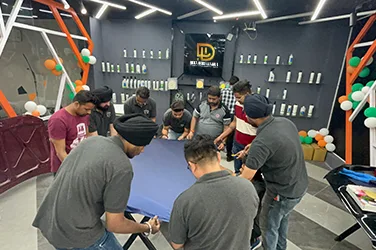
Good operations reduce confusion, rework and dependence on one person. The aim is to create clearer responsibilities, workflows and service standards as the studio grows.
Think about roles, hiring priorities and when additional manpower actually becomes necessary.
Structure the movement from vehicle intake to service execution, inspection and delivery.
Create clear checkpoints so work is reviewed before the customer receives the vehicle.
Improve communication around expectations, recommendations, delivery and after-service support.
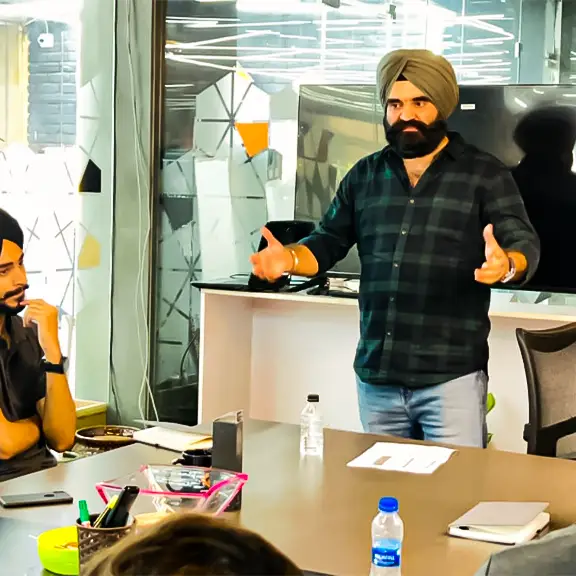
Growth should follow demand, operational capability and financial discipline. The program encourages owners to strengthen the current studio before adding unnecessary complexity.
Improve delivery and economics before expanding the menu.
Expand manpower, equipment or bays when demand supports the decision.
Pay attention to leads, conversion, repeat customers, service mix and operational quality.
Create systems that make good service less dependent on constant owner intervention.

Jitendra brings business clarity, brand direction and growth strategy into the training experience, helping learners think beyond technical execution and understand how a detailing studio can be positioned, structured and developed more professionally.
The objective is not to promise a specific financial result. It is to help you make more informed decisions about setup, pricing, marketing, operations and growth.
A clearer approach to space, services, equipment and launch priorities.
Better understanding of essential spending, staged investment and upgrade planning.
A stronger way to think about costs, margins, service value and packages.
Clearer thinking around positioning, lead generation and customer retention.
Greater awareness of workflow, staff roles, quality checks and customer handling.
A staged approach to expanding capacity, services and systems as the business develops.
Speak with the team about studio setup, investment planning, pricing, operations, marketing and the current business-training program.